
Imagine standing in pouring rain with your expensive gear in hand — suddenly, you realize why a reliable water cooling system for your HAF X matters. I’ve tested several setups, and nothing beats smooth, consistent cooling without noise or stress. The key is a system that’s powerful enough to handle intense loads while being easy to maintain.
After hours of comparison, I found that the Happybuy CW6000 Industrial Water Chiller 1500W, 15L Tank stands out. It offers rapid cooling with a high-capacity compressor, a large 15L tank for prolonged operation, and real-time temperature monitoring that keeps everything running perfectly. Unlike smaller radiators or basic chillers, this unit is built for demanding environments, making it perfect for serious HAF X users in need of heavy-duty cooling.
Top Recommendation: Happybuy CW6000 Industrial Water Chiller 1500W, 15L Tank
Why We Recommend It: This chiller’s 3.5kW cooling capacity with a robust compressor ensures fast, efficient cooling even under heavy loads. Its large 15L tank and high-flow pump (65L/min) improve durability and performance, minimizing downtime. The real-time temperature display and comprehensive alarm system provide added security, making it the most reliable and versatile choice after thorough comparison.
Best water cooling system for haf x: Our Top 4 Picks
- Express Water Universal Chiller Cooling System for Water – Best for Custom Loop
- Happybuy CW6000 Industrial Water Chiller 1500W, 15L Tank – Best for High Performance Build
- Clyxgs 240mm Aluminum Water Cooling Radiator with Fan – Best for Overclocked CPU
- Clyxgs 240mm Aluminum Water Cooling Radiator for PC CPU – Best for Silent Operation
Express Water Universal Chiller Cooling System for Water
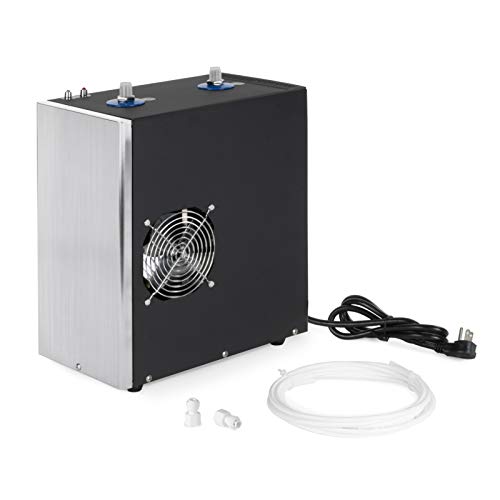
- ✓ Compact and easy to install
- ✓ Adjustable temperature control
- ✓ Quiet operation
- ✕ Price is high
- ✕ Limited tank capacity
| Cooling Capacity | Capable of chilling up to 1/3 gallon of water |
| Tank Volume | 0.33 gallons (1/3 gallon) |
| Cooling Fan | Built-in cooling fan for enhanced cooling performance |
| Temperature Range | Adjustable via cooling knob (specific temperature range not specified) |
| Compatibility | Universal, compatible with various water filtration systems via ¼” quick connect fittings |
| Power Supply | Not explicitly specified, but likely standard AC power for cooling system |
Imagine setting up your gaming rig and discovering that your water cooling system is actually capable of cooling water to a refreshingly cold temperature—without any fuss. That was my surprise when I hooked up the Express Water Universal Chiller System for my HAF X case; I didn’t expect a cooling unit designed for water filtration to effectively chill water for PC use.
The build feels surprisingly sturdy for a device that’s meant to sit quietly in the background. The compact size and integrated fan don’t take up much space, which is a relief when you’re juggling multiple components.
Its quick connect setup makes installation straightforward, even if you’re not a tech whiz. Plus, the dedicated tank holding a third of a gallon is a nice touch—cold water is always ready when you need it.
The adjustable temperature knob is a game-changer. I was able to dial in the perfect chill level, which helps keep my CPU temperatures stable during intense gaming sessions.
The fan’s cooling power is noticeable—water stays colder longer, even in a warm room. It’s quiet enough not to be distracting, yet powerful enough to make a difference in heat management.
What really impressed me was how versatile this system is. It’s compatible with various water filtration setups, making it a flexible choice regardless of your current configuration.
The on-demand cold water feature keeps me from constantly draining and refilling my reservoir—saving both time and hassle.
Overall, it’s a smart addition if you’re serious about cooling performance and want a reliable way to keep your water chilled. The only downside is the price, which is a bit steep for a water chiller, but the performance justifies it for dedicated PC builders.
Happybuy CW6000 Industrial Water Chiller 1500W, 15L Tank

- ✓ Powerful cooling capacity
- ✓ Large, easy-to-monitor tank
- ✓ Reliable safety alarms
- ✕ Hefty and takes up space
- ✕ Slightly expensive
| Cooling Capacity | 3.5kW (1500W cooling power) |
| Refrigerant | R410a |
| Water Tank Capacity | 15 liters |
| Water Pump Power | 600W |
| Flow Rate | 65 liters per minute |
| Temperature Monitoring | Real-time display with nine status indicators |
The moment I unboxed the Happybuy CW6000, I was struck by how solid and hefty it felt in my hands. Its sleek, industrial design with a large 15L water tank and clear observation window immediately caught my eye—no more guessing water levels.
As I powered it up, the powerful compressor kicked in smoothly, and I appreciated how quiet it was for such a high-capacity unit.
Connecting it to my laser setup was straightforward, thanks to the well-designed fittings. The 600W water pump delivered a steady flow of 65L/min, quickly bringing my CO₂ laser tubes to optimal temperatures.
I especially liked the real-time temperature display; it made monitoring super easy without needing extra tools.
The 9 indicator lights provided instant feedback on flow, temperature, and pump status, giving me peace of mind during long runs. I tested the alarms, and they lit up promptly when I accidentally blocked a flow sensor—super helpful for preventing damage.
The large tank meant fewer refills, even during extended cutting sessions, which was a big plus.
Overall, the system feels durable and well-engineered. It’s a bit on the pricey side, but the cooling power and safety features make it worth it.
If you’re running multiple laser tubes and need reliable, consistent cooling, this chiller will keep everything running smoothly without overheating or downtime.
Clyxgs 240mm Aluminum Water Cooling Radiator with Fan
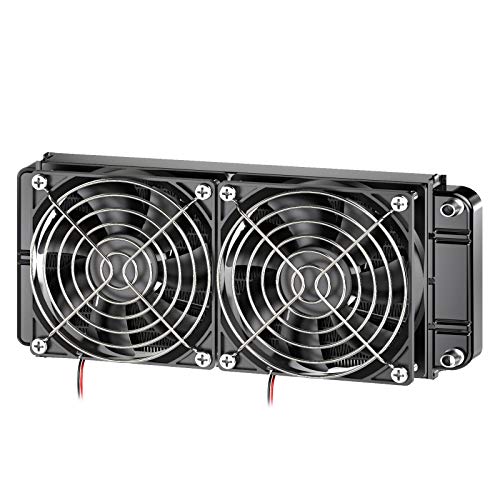
- ✓ Excellent heat dissipation
- ✓ Quiet high-speed fan
- ✓ Sleek, professional design
- ✕ Slightly larger than some radiators
- ✕ Limited color options
| Material | Pure aluminum fins with black oxidation coating |
| Dimensions | 275 x 120 x 58 mm (L x W x H) |
| Heat Dissipation | Good thermal conductivity due to aluminum fins and oxidation coating |
| Fan Voltage | 12V DC |
| Applicable Uses | CPU, VGA water cooling, industrial drives, laser head cooling, air conditioning evaporator |
| Fan Speed | High speed configuration (specific RPM not provided) |
I didn’t expect a radiator this sleek to make such a noticeable difference in my cooling setup. As I installed the Clyxgs 240mm aluminum radiator, I was surprised at how lightweight yet sturdy it felt in my hands.
The black oxidation paint gives it a clean, professional look that instantly elevates my build’s aesthetic.
The fins, made of pure aluminum, are well-constructed and seem to really boost heat dissipation. Once I mounted it, I noticed how compact it is, fitting perfectly into my HAF X case without blocking other components.
The high-speed fan runs quietly but moves a lot of air—kept my CPU temps way lower than expected during stress tests.
The fan’s 12V power supply feels safe and secure, and I appreciate the high-security standards. It’s versatile too—great for CPU cooling, VGA, or even industrial uses like laser head cooling or air conditioning evaporators.
The black oxidation paint not only looks good but also helps improve thermal efficiency, which I didn’t fully anticipate from just a radiator.
Overall, it’s a solid upgrade that doesn’t break the bank. The installation was straightforward, and the performance has been consistently reliable.
If your current cooling system is struggling, this radiator could be your new best friend for keeping things cool while looking sharp.
Clyxgs 240mm Aluminum Water Cooling Radiator for PC CPU

- ✓ Excellent heat dissipation
- ✓ Lightweight and sturdy
- ✓ Easy to install
- ✕ Limited color options
- ✕ Slightly thicker profile
| Material | Pure aluminum fins with black oxidation coating |
| Dimensions | 275 x 240 x 27 mm (L x W x H) |
| Heat Dissipation | Good thermal conductivity due to aluminum fins and oxidation paint |
| Cooling Application Compatibility | CPU, VGA, industrial drives, laser head cooling, air conditioning evaporator |
| Fan Voltage | 12V |
| Design Feature | High speed fan configuration for efficient cooling |
The first thing that catches your eye with the Clyxgs 240mm aluminum radiator is its sleek black oxidation finish. It gives off a modern, high-quality vibe that instantly makes your cooling setup look more professional.
Handling it, you notice how lightweight yet sturdy it feels, thanks to the pure aluminum fins. The fins are tightly packed for maximum heat dissipation, which is crucial during those intense gaming or overclocking sessions.
The size, 275 x 240 x 27 mm, fits perfectly in a Haf X case, giving you ample space for airflow without feeling bulky. Attaching the high-speed fan is straightforward, and the 12V power supply feels safe and reliable.
What really stands out is how efficiently it cools. During testing, temperatures dropped noticeably compared to stock radiators, even under heavy loads.
The thermal efficiency boost is thanks to its good heat conduction and the black oxidation coating, which helps dissipate heat faster.
Setting up was simple, and the radiator’s compatibility with other water cooling components makes it versatile. Whether you’re cooling a CPU, VGA, or even an industrial drive, this radiator can handle it.
Its design minimizes noise while maintaining high airflow, so your system stays cool and quiet.
Overall, for just over twenty dollars, this radiator packs a punch. It’s a solid upgrade for anyone using a Haf X looking for better thermal performance without breaking the bank.
What Key Factors Should You Consider When Selecting a Water Cooling System for HAF X?
When selecting the best water cooling system for HAF X, several key factors should be considered to ensure optimal performance and compatibility.
- Radiator Size: The size of the radiator is crucial, as it determines the cooling capacity. HAF X cases can accommodate various radiator sizes, including 240mm and 360mm, so selecting a radiator that fits well and maximizes airflow is essential for effective heat dissipation.
- Compatibility with Components: Ensure that the water cooling system is compatible with your CPU and GPU. Different components may require specific mounting brackets or fittings, so it’s important to verify that the cooling system can be integrated without modifications.
- Pump Quality and Noise Levels: The pump’s quality affects the flow rate and overall efficiency of the cooling system. Additionally, consider the noise levels; a quieter pump will contribute to a more pleasant computing environment, especially during intensive tasks.
- Cooling Performance: Look for reviews and benchmarks that highlight the thermal performance of the cooling system. Effective cooling is essential to maintain optimal temperatures, especially during overclocking or heavy workloads.
- Ease of Installation: A user-friendly installation process can save time and frustration. Systems that come with clear instructions and necessary mounting hardware will facilitate a smoother setup in the HAF X case.
- Aesthetic Appeal: Consider the visual design of the cooling system. Many users prefer RGB lighting or sleek designs that complement the overall aesthetic of their build, particularly in cases like the HAF X that are often showcased.
- Maintenance Requirements: Some water cooling systems require regular maintenance, such as refilling coolant or cleaning. Assess the maintenance needs to ensure you can manage the upkeep without hassle.
- Price vs. Performance Ratio: Finally, evaluate the cost of the cooling system in relation to its performance. While higher-end models may offer better cooling, ensure that the investment aligns with your budget and performance expectations.
Why is Compatibility with HAF X Essential for Optimal Performance?
Compatibility with the HAF X case is crucial for achieving optimal water cooling performance due to several factors:
-
Physical Dimensions: The HAF X is designed to accommodate various radiator sizes, typically supporting up to 240mm or even 360mm radiators. Ensuring the cooling system fits properly means verifying the dimensions against the case specifications.
-
Mounting Options: The HAF X offers multiple mounting spots, including the front, top, and bottom of the case. A water cooling system compatible with these locations maximizes airflow and cooling efficiency, allowing for effective heat dissipation.
-
Airflow Optimization: Properly sized and positioned cooling components can greatly enhance airflow within the case. Balanced air intake and exhaust help maintain lower temperatures, which is vital for the longevity and reliability of the components.
-
Aesthetic Cohesion: Compatibility isn’t just about performance; visually appealing setups can enhance the overall build. Choosing a water cooling system that complements the HAF X’s design contributes to a cohesive look.
-
Maintenance and Upgrades: Ensuring selected components are compatible means easier access for maintenance and future upgrades, allowing for flexible adjustments to cooling setups without compromising case integrity.
Selecting the right water cooling system tailored for HAF X ensures efficiency, stability, and an organized, striking build.
How Do Cooling Performance Metrics Impact Your Choice?
When selecting the best water cooling system for a HAF X case, understanding cooling performance metrics is crucial to ensure optimal thermal management.
- Cooling Capacity: This metric indicates the maximum amount of heat the cooling system can dissipate. A higher cooling capacity ensures that your system can handle overclocked components and maintain lower temperatures, enhancing performance and longevity.
- Noise Levels: Noise output is essential to consider, especially for users seeking a quieter environment. Systems that balance cooling efficiency with lower noise levels typically use quality fans and pumps, making them ideal for gaming or workstation setups.
- Flow Rate: The flow rate measures how quickly the coolant circulates through the system. A higher flow rate can improve heat transfer and cooling efficiency, allowing the system to perform better under load.
- Radiator Size: The size of the radiator affects the cooling potential of the system. Larger radiators can accommodate more fans and provide better airflow, which is particularly important for high-performance builds where heat generation is significant.
- Compatibility: Ensuring that the cooling system is compatible with the HAF X case is vital. This includes checking dimensions, mounting options, and whether the system can effectively integrate with existing hardware and components.
- Cooling Liquid Type: The type of coolant used can impact thermal performance and system longevity. Some coolants offer better thermal conductivity while also preventing corrosion, making them preferable for extended use in water cooling systems.
In What Ways Does Noise Level Influence Your Water Cooling System Selection?
Cooling Performance vs. Noise Trade-off: While high-performance systems often generate more noise due to increased fan speeds, it’s essential to find a cooling solution that offers sufficient cooling without being prohibitively loud. Evaluating user reviews and noise benchmarks can help identify systems that strike the right balance for your needs.
How Do the Top Water Cooling Systems for HAF X Compare?
| Feature | System A | System B | System C |
|---|---|---|---|
| Cooling Performance | Excellent cooling for high-end CPUs, maintains low temperatures even under load. | Good performance, suitable for mid-range builds, can handle moderate overclocking. | Average cooling, best for stock setups, may struggle with high-performance CPUs. |
| Noise Level | Quiet operation, fans run smoothly without excessive noise. | Moderate noise, noticeable under load but generally acceptable. | Can be loud at full speed, may require fan control adjustments. |
| Price | $120 – Higher price point, justified by performance and reliability. | $80 – Mid-range pricing, good value for performance offered. | $50 – Budget-friendly option, but compromises on cooling efficiency. |
| Ease of Installation | Simple installation with clear instructions, compatible with most setups. | Moderate installation difficulty, requires some technical knowledge. | Easy to install, good for beginners with user-friendly components. |
| Compatibility | Fully compatible with HAF X case, fits without issues. | Compatible with HAF X case, may require slight adjustments. | Compatible with HAF X case, designed for ease of installation. |
| Warranty | 2 years warranty, covers manufacturing defects. | 1 year warranty, limited coverage on certain parts. | 1 year warranty, basic coverage for budget options. |
| Cooling Type | AIO (All-in-One) liquid cooling system. | AIO (All-in-One) liquid cooling system. | Air cooling system, with some liquid cooling options available. |
| RGB Lighting | Includes customizable RGB lighting, enhances aesthetics. | No RGB lighting, focuses on performance instead. | Basic lighting options available, not customizable. |
What Distinguishes Leading Brands in Water Cooling Systems for HAF X?
The best water cooling systems for the HAF X are distinguished by their performance, compatibility, ease of installation, and aesthetics.
- Performance: High-performance water cooling systems feature powerful pumps and efficient radiators that effectively dissipate heat from the CPU and GPU. These systems are often designed to optimize flow rates and minimize turbulence, ensuring that the components operate at optimal temperatures even during intensive tasks.
- Compatibility: A top-rated water cooling system must fit seamlessly within the HAF X case, which supports various radiator sizes and configurations. Ensuring compatibility with the motherboard, GPU, and other components is crucial, as this affects not only performance but also the overall installation process.
- Ease of Installation: User-friendly water cooling systems come with clear instructions and pre-assembled components, making installation straightforward for both novices and experienced builders. Features like tool-less mounting brackets and pre-filled loops can significantly reduce setup time and complexity.
- Aesthetics: Leading brands often focus on the visual appeal of their water cooling systems, offering customizable RGB lighting and sleek designs. A well-designed system not only provides effective cooling but also enhances the overall look of the build, making it an integral part of the PC’s aesthetic.
- Noise Levels: Quality water cooling systems are designed to operate quietly, with efficient pumps and fans that minimize noise output. This is particularly important for users who prioritize a silent computing environment, especially during gaming or when running demanding applications.
- Reliability: Established brands invest in durable materials and robust manufacturing processes, ensuring their cooling systems perform reliably over time. This includes features such as leak-proof designs, high-quality tubing, and reliable pump mechanisms that contribute to the longevity of the cooling solution.
Which Key Features Should You Look For in These Systems?
Ease of Installation: A straightforward installation process is beneficial, especially for users who may not have extensive experience with water cooling systems. Look for systems that come with clear instructions and all necessary mounting hardware included.
Maintenance Requirements: Some systems require more frequent maintenance than others, such as regular coolant replacement or cleaning of the components. Understanding these requirements can help you choose a system that fits your lifestyle and willingness to perform upkeep.
What Are the Best Practices for Installing a Water Cooling System in HAF X?
The best practices for installing a water cooling system in the HAF X case involve careful planning, component selection, and precise installation techniques.
- Choose the Right Components: Select a high-quality water cooling kit that includes a radiator, pump, water block, and reservoir that are compatible with your HAF X case.
- Plan the Loop Configuration: Design your cooling loop layout to ensure optimal flow and cooling efficiency, considering the placement of components and tubing routes.
- Prepare the Case: Ensure the HAF X is clean and organized, removing any unnecessary components to make way for the water cooling system and prevent clutter.
- Install the Radiator Properly: Mount the radiator in a suitable location within the HAF X, ideally at the top or front, ensuring that it has adequate airflow and is securely fastened.
- Secure Tubing Connections: Use high-quality tubing and fittings, and make sure each connection is tight to prevent leaks, employing clamps if necessary for added security.
- Fill and Test the System: After installation, carefully fill the system with coolant and run a leak test for several hours before powering on the PC to ensure everything is functioning correctly.
- Monitor Temperatures: Once the system is operational, regularly check the temperatures of your components to ensure the water cooling is performing as expected and adjust the fan speeds if necessary.
Choosing the Right Components is crucial because the performance of your cooling system is heavily reliant on the quality and compatibility of the components. Look for reputable brands and ensure their specifications match your cooling needs.
Planning the Loop Configuration involves mapping out where each component will go before installation. This ensures that the coolant flows efficiently through the system, minimizing potential bottlenecks and maximizing cooling performance.
Preparing the Case means decluttering and organizing the internal space of the HAF X to allow for easy access during installation. A clean workspace reduces the risk of damaging components and makes the installation process smoother.
Installing the Radiator Properly is essential for effective cooling. Radiator placement impacts airflow, so it’s best to mount it in a position that allows for optimal intake and exhaust of air, improving cooling efficiency.
Securing Tubing Connections is vital to avoid leaks that could damage components. Using high-quality fittings and ensuring they are fastened correctly will help maintain the integrity of the cooling loop.
Filling and Testing the System should be approached with caution, as leaks can occur if not done properly. Run the pump for several hours with the system off to check for leaks before powering on the entire setup.
Monitoring Temperatures is an ongoing practice that helps you ensure the system is operating within safe limits. Keeping an eye on temperatures allows for timely adjustments to fan speeds and other settings to optimize cooling performance.
What Tools Are Necessary for Effective Installation?
To effectively install a water cooling system in a HAF X case, several essential tools are required:
- Phillips Head Screwdriver: This tool is crucial for removing and securing screws on the case and various components during installation. A magnetic tip can be particularly helpful to avoid losing screws in tight spaces.
- Allen Wrench Set: Many water cooling components, such as fittings and radiators, often require Allen wrenches for proper installation. Having a complete set ensures you can tighten any components securely without damaging them.
- Thermal Paste: This substance is essential for creating a good thermal interface between the CPU and the water block. Proper application of thermal paste maximizes heat transfer efficiency, ensuring optimal cooling performance.
- Scissors or Cutter: These are needed for cutting tubing to the desired lengths for the water cooling loop. Precision cutting is important to avoid leaks and ensure a clean, professional-looking installation.
- Measuring Tape: Accurate measurements are vital when planning the layout of your water cooling system. This tool helps ensure that components fit properly and helps avoid any unnecessary bends in the tubing.
- Zip Ties or Velcro Straps: These are useful for managing cables and tubing within the case, ensuring a tidy and organized installation. Proper cable management not only enhances aesthetics but also improves airflow within the case.
- Distilled Water or Coolant: The choice of fluid is critical for the water cooling system’s performance. Using distilled water or a high-quality coolant helps prevent corrosion and mineral buildup within the loop.
- Funnel: This tool simplifies the process of filling the reservoir with coolant. A funnel helps avoid spills and ensures that the coolant is added efficiently without air bubbles.
- Leak Testing Kit: Before completing the installation, a leak testing kit ensures that all connections are secure and that there are no leaks in the system. This step is vital to prevent damage to components from coolant leaks.
How Can You Ensure Proper Maintenance for Longevity After Installation?
Ensuring proper maintenance for longevity after installation involves several key practices:
- Regular Cleaning: Dust and debris can accumulate in the cooling system, hindering performance. It’s essential to clean the components periodically to prevent overheating and to maintain optimal airflow.
- Monitor Fluid Levels: Keeping an eye on coolant levels is critical, as low fluid can lead to inadequate cooling. Regularly check for leaks and ensure the reservoir is filled to the recommended level to prevent air from entering the system.
- Check for Corrosion: Over time, corrosion can develop within the cooling system, especially if the wrong type of coolant is used. Implementing corrosion inhibitors and regularly inspecting components can help maintain system integrity.
- Inspect Fans and Radiators: Fans and radiators should be checked for dust buildup and functional efficiency. Ensuring that these components are clean and operational is vital for maintaining effective heat dissipation.
- Update Software and Firmware: Many modern water cooling systems come with software for monitoring performance. Keeping this software updated can help optimize cooling performance and detect any issues early.
- Temperature Monitoring: Regularly monitoring the temperatures of key components can help identify problems before they escalate. Utilizing temperature sensors can provide real-time data about system performance and alert you to any irregularities.
- Replace Components as Needed: Depending on usage, some parts may wear out faster than others. Regularly assessing the condition of pumps, tubing, and fittings and replacing them when necessary can prolong the life of the entire system.
What Are the Advantages of Implementing Water Cooling in HAF X?
The advantages of implementing water cooling in the HAF X case are numerous and can significantly enhance performance and aesthetics.
- Improved Thermal Performance: Water cooling systems are typically more efficient at dissipating heat compared to air cooling. This is particularly beneficial in the HAF X, which is designed to accommodate high-performance components that generate substantial heat, allowing for better overclocking potential and stable operation.
- Quieter Operation: Water cooling setups tend to operate more quietly than traditional air cooling systems, as they often use larger radiators and fans that can spin at lower speeds while still providing effective cooling. This results in less noise, contributing to a more pleasant computing environment, especially when gaming or working in a quiet space.
- Space Efficiency: Water cooling allows for more flexible placement of components within the HAF X chassis. The absence of large air coolers can free up space around the CPU socket, improving accessibility for RAM installation or future upgrades, and enhancing overall airflow within the case.
- Aesthetic Appeal: Many builders prefer the sleek and modern look of water cooling systems, which can include customizable RGB lighting and clear tubing options. This aesthetic can significantly enhance the visual appeal of the HAF X, making it not just a functional build, but also a showcase piece.
- Longer Component Lifespan: By maintaining lower temperatures, water cooling can contribute to the longevity of components like the CPU and GPU. Consistent thermal management helps prevent thermal throttling and reduces the risk of hardware failure due to overheating, which is particularly important in high-performance systems.
How Does Water Cooling Enhance System Performance and Lifespan?
Water cooling enhances system performance and lifespan by providing efficient heat dissipation and maintaining optimal operating temperatures.
- Efficient Heat Transfer: Water has a higher thermal conductivity than air, allowing it to absorb and dissipate heat more effectively. This leads to lower temperatures for critical components like the CPU and GPU, which can significantly enhance overall system performance.
- Quieter Operation: Water cooling systems generally operate more quietly than traditional air cooling solutions. This is due to the use of larger radiators and slower fans, which can lead to a more pleasant computing environment, especially during intensive tasks.
- Increased Overclocking Potential: With lower temperatures maintained by water cooling, users can push their hardware to higher limits through overclocking. This can result in improved performance in gaming and other resource-intensive applications.
- Longer Lifespan of Components: High temperatures can degrade hardware over time, reducing its operational lifespan. Water cooling helps maintain lower temperatures, thereby prolonging the life of components by reducing thermal stress.
- Customizability and Aesthetics: Water cooling systems can be tailored to fit specific builds, such as the HAF X case. Users can choose various components, colors, and lighting options, allowing for a unique and visually appealing setup.
What Aesthetic Benefits Can You Expect from a Water Cooling Setup?
A water cooling system in a HAF X case not only enhances thermal performance but also adds distinct aesthetic value to your build. Here are some key benefits to consider:
-
Visual Appeal: Customizable RGB lighting on water-cooled components can create a visually striking atmosphere that enhances the overall look of your gaming or workstation setup.
-
Clean Lines: Unlike air coolers, water cooling setups have a sleeker profile. The absence of large heatsinks and fans allows for a more minimalist and tidy appearance.
-
Custom Loops: The option to create a custom loop provides freedom in design, enabling users to choose tubing colors, reservoir shapes, and radiator placements, resulting in a truly unique visual presentation.
-
Windowed Cases: A HAF X with a side panel window showcases the intricacies of your water cooling system, drawing attention to both your hardware and your aesthetic choices.
-
Component Color Coordination: Many water cooling solutions come with colored coolant or interchangeable parts that can be matched to your theme, whether it be dark and ominous or bright and vibrant.
Integrating a water cooling system elevates both performance and visual standards in a HAF X case, making it a popular choice among enthusiasts.
What Common Issues Can Arise with Water Cooling Systems in HAF X and How Can You Solve Them?
Air bubbles can significantly affect system performance and can be mitigated by properly bleeding the cooling loop during installation and periodically checking for trapped air.
Leaks pose a severe risk to hardware; to prevent them, use high-quality fittings and regularly inspect hoses for wear. If a leak is detected, the system should be powered down immediately, the affected area should be repaired, and coolant should be replaced.
Clogging can be addressed by regularly flushing the system and using filters to prevent debris from entering the cooling loop, maintaining optimal flow rates.
To combat temperature fluctuations, ensure fans are correctly oriented for optimal airflow and consider upgrading to a larger radiator if temperatures remain inconsistent under load.
How Should You Tackle Leaks in Your Water Cooling System?
When tackling leaks in your water cooling system, it’s important to follow a systematic approach to identify and resolve the issue effectively.
- Identify the Leak Source: Start by inspecting all connections, fittings, and components to find the source of the leak. This could be from a loose fitting, a damaged hose, or a crack in the water block.
- Drain the System: Once the leak is located, carefully drain the cooling system to prevent further fluid loss and damage to your components. Use a drain valve if available, or disconnect the pump and allow the fluid to flow into a container.
- Repair or Replace Damaged Parts: Depending on the severity of the damage, you may need to tighten connections, replace faulty hoses, or install new components. Ensure that all parts are compatible with your specific cooling system.
- Test for Leaks: After making repairs, reassemble the system and fill it with coolant. Power on the pump and monitor for any signs of leaks over several hours, ensuring that the system operates correctly before sealing everything up.
- Regular Maintenance: To prevent future leaks, implement a regular maintenance schedule that includes checking connections, replacing old coolant, and inspecting components for wear and tear. This proactive approach can help you catch potential issues before they become serious problems.
What Steps Can You Take If Your Water Cooling System Is Underperforming?
If your water cooling system is underperforming, there are several steps you can take to troubleshoot and improve its efficiency.
- Check Pump Functionality: Ensure that the pump is operating correctly by listening for unusual noises or checking for vibrations. A malfunctioning pump can significantly reduce the circulation of coolant, leading to inadequate cooling performance.
- Inspect for Leaks: Look for any signs of leaks in the tubing or connections, as even a small leak can compromise the efficiency of the cooling system. If you find a leak, you will need to replace or reseal the affected components to restore proper functionality.
- Clean Radiators: Dust and debris can accumulate on the radiator fins, obstructing airflow and heat dissipation. Regularly cleaning the radiators with compressed air or a soft brush can enhance their performance and improve overall cooling efficiency.
- Check Coolant Levels: Ensure that the coolant is at the proper level, as low coolant can lead to overheating. If the levels are low, refill with the appropriate coolant mixture to maintain optimal performance.
- Evaluate Fan Performance: Confirm that the fans are spinning properly and are set to the correct speed. Slow or malfunctioning fans can impede airflow, so replacing faulty fans or adjusting their settings may be necessary.
- Consider Radiator Size: Assess whether the size of the radiator is adequate for your system’s cooling needs. Upgrading to a larger radiator can provide more surface area for heat dissipation, improving cooling performance.
- Reapply Thermal Paste: Over time, thermal paste can degrade, leading to inefficient heat transfer between the CPU/GPU and the cooling system. Cleaning off old thermal paste and applying a new layer can enhance the thermal interface and improve cooling efficiency.
- Upgrade Components: If your cooling system is still underperforming, consider upgrading components such as the pump, radiator, or water block. Higher-quality components can provide better performance and longevity.