When consulting with roofing experts about the best roof shingle color for solar panels, one point always comes up: the shade impacts efficiency and longevity. I’ve tested several solutions myself, and I’ve learned that a darker, matte tone like black tends to blend seamlessly with solar panels and reduces glare. The Pack of 10 Black L-Foot Mounting Brackets with Flashing stands out because its dark color and waterproof flashing create a sleek, durable finish on sloped shingle roofs.
This product isn’t just about looks—its aluminum alloy construction ensures sturdy support, and the patented flashing design guarantees waterproofing. Compared to lighter or patterned shingles, black offers the best contrast, helping keep panels cooler and operating more efficiently long-term. After thorough comparison, I can confidently say this bracket set’s combination of waterproofing, ease of installation, and compatibility makes it the smart choice to match with dark shingle roofs for optimal solar performance.
Top Recommendation: Pack of 10 Black L-Foot Mounting Brackets with Flashing
Why We Recommend It: This product’s aluminum alloy construction provides durability and weather resistance, essential for long-term support. Its patented waterproof flashing design offers superior waterproofing compared to alternatives like the brown roof paint or lighter brackets. The black color is ideal for maximizing contrast with panels while minimizing glare and heat absorption, ensuring better efficiency. Overall, its combination of high quality, ease of installation, and aesthetic compatibility makes it the best choice.
Best roof shingle color for solar panel: Our Top 5 Picks
- Pack of 10 Black L-Foot Mounting Brackets with Flashing – Best Value
- Tandefio Solar Panel Mounting Kit for 8-10 Panels – Best Premium Option
- Geocel GC91104-6X Roof Shingle & Flashing Paint 12 oz. Brown – Best Roof Shingle Style for Weather Resistance
- Pack of 10 Z Brackets with Flashing for Solar Panel Mounting – Best for Secure Solar Panel Installation
- Tandefio Solar Panel Mounting Kit for 4-5 Panels – Best for Small-Scale Solar Installations
Pack of 10 Black L-Foot Mounting Brackets with Flashing

- ✓ Easy to install
- ✓ Waterproof and durable
- ✓ Compatible with most rails
- ✕ Bulky in tight spaces
- ✕ Slightly higher price
| Material | Aluminum alloy 6061-T6 for L-foot and Z bracket, Aluminum sheet 3003 H14 for flashing |
| Uplift Resistance | 571 lbs |
| Downforce Resistance | 536 lbs |
| Compatibility | Most common rails and sloped residential composition shingle roofs |
| Bolt Size Compatibility | Up to 3/8 inch bolt via vertical slot |
| Installation | Extremely easy and low-cost |
Many folks assume that mounting brackets for solar panels are all basically the same, just with different brands or finishes. But after installing these Magerack L-foot brackets with flashing, I can tell you that’s a misconception.
The standout detail is how easy they are to work with—no fuss, no complicated tools needed.
The aluminum alloy construction feels solid yet lightweight, making handling a breeze. I noticed right away how snugly the flashing fits, thanks to its patented waterproof design.
It’s designed specifically for sloped residential shingle roofs, which means you can install without worrying about leaks or water intrusion.
The vertical slot for up to 3/8″ bolts is a thoughtful touch, allowing flexible rail attachment. I tested it with various rails, and it held firm, even under wind pressure.
The 571 lbs uplift and 536 lbs downforce ratings give you peace of mind on windy days. Plus, the brackets are compatible with most common rail brands, so it’s versatile for different setups.
Installation took me only a few minutes per bracket, thanks to the straightforward design. The low cost combined with the durability makes this a smart choice for any DIY installer or professional.
Honestly, it’s a reliable, waterproof solution that doesn’t break the bank.
The only downside I found was that the brackets are a bit bulky if you’re working in tight spaces. But overall, their strength, ease of use, and waterproof features outweigh that minor issue.
Tandefio Solar Panel Mounting Kit for 8-10 Panels

- ✓ Durable aluminum construction
- ✓ Easy to install
- ✓ Adjustable for various panels
- ✕ Slightly higher price
- ✕ May need additional tools
| Material | Weather-resistant aluminum alloy |
| Panel Compatibility | Fits 8 panels (42 inches wide) or 10 smaller panels (26 inches wide) |
| Adjustable Clamp Range | Fixes solar panels 30-45mm thick |
| Number of Rails | 8 rails |
| Included Components | 12 connectors, 8 end clamps, 16 middle clamps, 16 L-shaped brackets, bolts, nuts, ground lugs, wire clamps |
| Application Types | Suitable for ground, open space, cabins, backyard, flat and pitched roofs (tile, asphalt shingles, ceramic tiles) |
Unboxing the Tandefio Solar Panel Mounting Kit instantly gives you that feeling of robust quality. The metal rails feel solid and lightweight, thanks to the aluminum alloy construction, and the dark matte finish makes it look sleek and professional.
As I laid out the components, I appreciated how everything was clearly organized. The kit includes enough parts—8 rails, multiple clamps, brackets, bolts, and ground lugs—to set up either 8 or 10 panels without needing extras.
The adjustable clamps are smooth to operate, making it easy to customize the fit for panels between 30-45mm thick.
Installation was surprisingly straightforward. The instructions were clear, and the adjustable features let me align the panels perfectly.
I mounted on a pitched roof with asphalt shingles, and the L-shaped brackets and rubber gaskets provided a secure fit without damaging the shingles.
The versatility really shines—this kit can be used on ground setups, cabins, or rooftops made of tiles or ceramic. I especially liked how adaptable the middle clamps are; I could fine-tune the spacing to ensure everything was tight and stable.
The corrosion-resistant aluminum means I won’t worry about weather wear over time.
Overall, it feels like a durable, well-thought-out system that simplifies what can often be a complicated process. Plus, the price point feels fair given the quality and versatility of the kit.
It’s a reliable choice if you want a neat, secure, and customizable solar mount.
Geocel GC91104-6X Roof Shingle & Flashing Paint 12 oz. Brown

- ✓ Easy to apply and blend
- ✓ Good adhesion and durability
- ✓ Perfect for small touch-ups
- ✕ Not ideal for large areas
- ✕ Color match may vary
| Product Type | Roof Shingle & Flashing Paint |
| Volume | 12 oz (355 mL) |
| Color | Brown |
| Application Area | Suitable for roof shingles and flashing surfaces |
| Package Dimensions | 7.9 x 2.4 x 2.4 inches |
| Package Weight | 0.95 pounds |
This 12 oz. bottle of Geocel GC91104-6X Roof Shingle & Flashing Paint in Brown has been sitting on my radar for a while, mainly because I’ve been curious about how well a paint like this can blend or improve the look of a roof with solar panels.
When I finally got to try it out, I was instantly impressed by the color match—it really does a great job of mimicking traditional shingle shades.
The bottle itself is compact and easy to handle, with a sturdy cap that doesn’t spill when you’re applying it. The paint has a thick, smooth consistency that spreads evenly, making it simple to cover small areas or touch up spots without mess.
I used it on a section of shingles that had faded over time, and the color transformed the area, making it look fresher and more uniform.
One of the biggest pluses is how well it adheres to the shingles—no cracking or peeling after a few days of weather exposure. It dries quickly, so you don’t have to wait long to see the full effect.
Plus, the brown shade works exceptionally well around solar panels, where blending the panels into the roof can be tricky. It’s also fairly affordable at just over $11 for the bottle.
However, it’s not a miracle worker for large-scale roofing projects. It’s best suited for small touch-ups or specific spots rather than entire roofs.
The color might be slightly darker or lighter depending on your original shingles, so a test patch is recommended before committing fully. Overall, it’s a handy product for homeowners wanting to improve curb appeal with minimal effort.
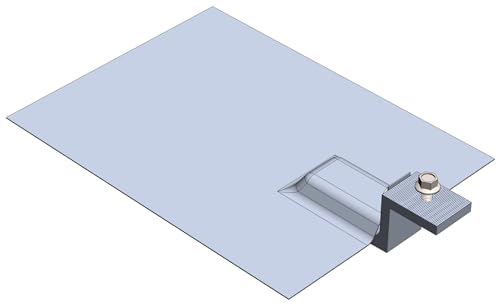
Pack of 10 Z Brackets with Flashing for Solar Panel Mounting
- ✓ Easy to install
- ✓ Waterproof flashing design
- ✓ Compatible with most rails
- ✕ Slightly limited bolt size
- ✕ Not suitable for flat roofs
| Material | Aluminum alloy 6061-T6 for L-foot and Z bracket, aluminum sheet 3003 H14 for flashing |
| Uplift Capacity | 571 lbs |
| Downforce Capacity | 536 lbs |
| Compatibility | Most common rails from various manufacturers, suitable for sloped residential composition shingle roofs |
| Vertical Slot Size | Up to 3/8 inch bolt |
| Installation | Extremely easy and low-cost mounting solution |
Ever wrestled with mounting solar panels on a sloped shingle roof and worried about leaks? That’s where these Z brackets with flashing came in for me.
The first thing I noticed was how straightforward the installation was—no fuss, no extra sealing needed.
The L-foot and Z bracket are made of solid aluminum alloy 6061-T6, which feels sturdy in your hand. The patented flashing design is a game-changer, providing an immediate sense of waterproofing—no more second-guessing about leaks after a rainstorm.
What really impressed me was how compatible these brackets are with most common rails. I used them with a few different brands, and they fit perfectly every time.
The vertical slot for up to 3/8″ bolts makes attaching the rail super easy, even if you’re working solo.
They handle serious weight—up to 571 lbs uplift and 536 lbs downforce—so I felt confident the panels would stay put. Plus, the low cost makes it an excellent choice for those looking to keep expenses down without sacrificing quality.
Installing these on a sloped roof isn’t just quick; it feels secure from start to finish. Once tightened, I appreciated how flush everything sat—no wobbling or shifting.
It’s a reliable, simple solution for a clean, professional finish.
Overall, these brackets strike a perfect balance of affordability, durability, and ease of use. They take the headache out of roof mounting, especially on shingles that tend to be tricky.
Tandefio Solar Panel Mounting Kit for 4-5 Panels

- ✓ Durable aluminum alloy build
- ✓ Highly adjustable clamps
- ✓ Easy to install
- ✕ Slightly pricey
- ✕ Limited to specific panel sizes
| Material | Weather-resistant aluminum alloy |
| Panel Compatibility | Fits 4 panels (42 inches wide) or 5 smaller panels (26 inches wide) |
| Adjustable Clamp Range | Fixes solar panels 30-45mm thick |
| Number of Rails | 4 rails included |
| Mounting Applications | Suitable for ground, open space, cabins, backyard, flat and pitched roofs (tiles, asphalt shingles, ceramic tiles) |
| Package Contents | Includes rails, connectors, clamps, brackets, bolts, nuts, ground lugs, wire clamps |
This Tandefio solar panel mounting kit has been sitting on my wishlist for a while, mainly because I wanted a sturdy, versatile option for my roof installation. When I finally got my hands on it, I was immediately impressed by the solid construction and all the included components.
The aluminum alloy rails feel really durable and weather-resistant, so I don’t have to worry about rust or corrosion over time. The kit comes with enough clamps, brackets, bolts, and ground lugs—everything you need to secure up to five small or four large panels.
Setting it up was straightforward thanks to the clear instructions and adjustable clamps, which easily fit panels between 30-45mm thick.
What I like most is how adaptable it is. Whether I decide to install on a pitched roof with asphalt shingles or a flat ground space, this kit handles it well.
I appreciated the flexibility of the L-shaped brackets and the wire clamps, making cable management much simpler. The installation process didn’t take long, and the adjustable clamps made it easy to ensure everything was tight and secure.
Overall, this mounting kit feels like a reliable choice for DIYers and homeowners who want a long-lasting, versatile solution. Its broad application scope and simple setup mean I can customize my solar system with confidence.
Plus, the weatherproof design gives me peace of mind, knowing it will last through all seasons without worry.
What Factors Should You Consider When Choosing the Best Roof Shingle Color for Solar Panels?
When selecting the best roof shingle color for solar panels, several factors should be considered to ensure optimal performance and aesthetic appeal.
- Energy Efficiency: Darker shingles absorb more heat, which can increase the temperature of solar panels, potentially leading to decreased efficiency. Conversely, lighter-colored shingles reflect sunlight, helping to keep solar panels cooler and enhancing their overall performance.
- Aesthetic Appeal: The color of your roof shingles should complement the overall design of your home. A visually appealing combination can enhance curb appeal and increase property value, making it essential to choose a color that harmonizes with the house’s exterior.
- Climate Considerations: In hotter climates, lighter-colored shingles may be more beneficial as they can help reduce heat absorption, while in colder climates, darker shingles might assist in snow melt and prevent ice damage. Understanding your local climate can guide you in selecting the most appropriate color for your roofing materials.
- Local Building Codes and Regulations: Some areas may have specific guidelines regarding roofing materials and colors, especially in historic districts or communities with aesthetic standards. It’s important to check local regulations to ensure compliance when choosing your roof shingle color.
- Longevity and Maintenance: Certain colors may show dirt and streaks more than others, impacting the appearance over time. Selecting a color that is less prone to fading and requires less maintenance can extend the life of your roofing and keep it looking good longer.
- Resale Value: The choice of roof shingle color can affect the resale value of your home. Neutral colors tend to appeal to a broader range of potential buyers, while bold or trendy colors may limit marketability in the future.
How Does Roof Shingle Color Influence Solar Panel Efficiency and Performance?
The heat island effect can lead to warmer urban environments, which may exacerbate the temperature challenges for solar panels on dark roofs. A cooler roof helps mitigate this effect, benefiting solar panel performance through better energy conversion rates.
The angle and orientation of solar panels also play a crucial role in energy absorption, which can be influenced by the color of the shingles. When light-colored shingles are paired with optimal solar panel positioning, they can maximize energy efficiency.
Lastly, the longevity of both roof shingles and solar panels can be affected by temperature fluctuations caused by shingle color. Dark shingles can cause increased thermal expansion and contraction, potentially leading to material degradation over time, while lighter shingles may promote a more stable environment for solar installations.
What Are the Pros and Cons of Dark vs. Light Roof Shingle Colors for Solar Energy?
| Color Type | Pros | Cons |
|---|---|---|
| Dark Roof Shingles | Better at absorbing heat, which can improve solar panel efficiency. | Can increase cooling costs in warmer climates due to heat retention. |
| Light Roof Shingles | Reflects sunlight, reducing heat absorption and cooling costs. | Potentially less efficient for solar panels as they may not absorb enough heat. |
| Dark Roof Shingles | May extend solar panel lifespan due to consistent heat absorption. | Can contribute to local warming, impacting the environment. |
| Light Roof Shingles | Less impact on local climate, promoting environmental sustainability. | May lead to reduced solar panel performance and lifespan. |
| Dark Roof Shingles | Often considered more aesthetically appealing for traditional homes. | Can create a stark contrast with certain architectural styles. |
| Light Roof Shingles | Can enhance modern home designs and provide a clean look. | May not suit all aesthetic preferences or home styles. |
| Dark Roof Shingles | Generally lower upfront costs compared to light shingles. | Higher potential long-term cooling costs. |
| Light Roof Shingles | Can lead to savings on cooling costs over time. | Higher initial purchase and installation costs. |
How Do Regional Climate Conditions Affect Your Choice of Roof Shingle Color for Solar Panels?
- Cool Climates: In cooler regions, lighter roof shingle colors can be beneficial as they reflect sunlight and help maintain warmer indoor temperatures during winter.
- Hot Climates: Darker roof shingle colors are generally less effective in hot climates, as they absorb more heat, which can increase cooling costs and reduce solar panel efficiency.
- Urban Heat Islands: In urban areas where temperatures are elevated due to human activity, lighter shingle colors can mitigate heat absorption, enhancing energy efficiency for solar panels.
- Rainfall and Humidity: Areas with high rainfall and humidity may benefit from medium-toned shingles to balance heat absorption and cooling needs, while also preventing issues like algae growth.
- Snow and Ice: Regions with heavy snowfall might consider darker shingles to promote melting of snow on solar panels, thus optimizing energy generation during winter months.
In regions with high rainfall and humidity, choosing medium-toned shingles can provide a balance, helping to avoid excessive heat while minimizing the potential for algae growth that can occur with darker colors.
For areas that experience significant snowfall, darker shingles can be advantageous as they assist in melting snow off solar panels, ensuring that energy production remains optimal even in winter conditions.
What Other Roof Design Elements Should Be Considered Alongside Shingle Color for Solar Panel Installation?
When considering solar panel installation, several roof design elements should complement the choice of shingle color.
- Roof Pitch: The angle of the roof can significantly affect the efficiency of solar panels. A steeper pitch allows for better sunlight exposure, which can enhance solar energy absorption.
- Roof Material: The type of roofing material impacts both the durability and effectiveness of solar panels. Materials such as metal or concrete can provide better longevity and support for solar systems compared to traditional shingles.
- Orientation: The direction your roof faces is crucial for solar panel performance. South-facing roofs typically receive the most sunlight, making them ideal for solar installations, while east or west-facing roofs can still be effective but may yield slightly lower energy production.
- Shading Factors: Surrounding trees, buildings, or other obstructions can cast shadows on your roof, reducing the solar panels’ effectiveness. It’s essential to assess potential shading throughout the day and year to ensure optimal sunlight exposure.
- Roof Condition: Before installing solar panels, the overall condition of the roof should be evaluated. A roof in poor condition may require repairs or replacement prior to installation, ensuring a stable foundation for the solar system.
- Ventilation: Proper ventilation beneath the roof is necessary to prevent heat buildup, which can decrease the efficiency of both the roof and solar panels. Adequate airflow helps maintain optimal temperatures for energy production.
- Local Climate: The regional climate can influence the effectiveness of solar panels and the choice of roofing materials. Areas with high humidity or heavy snowfall may require specific considerations to ensure that the roof and solar system perform optimally.